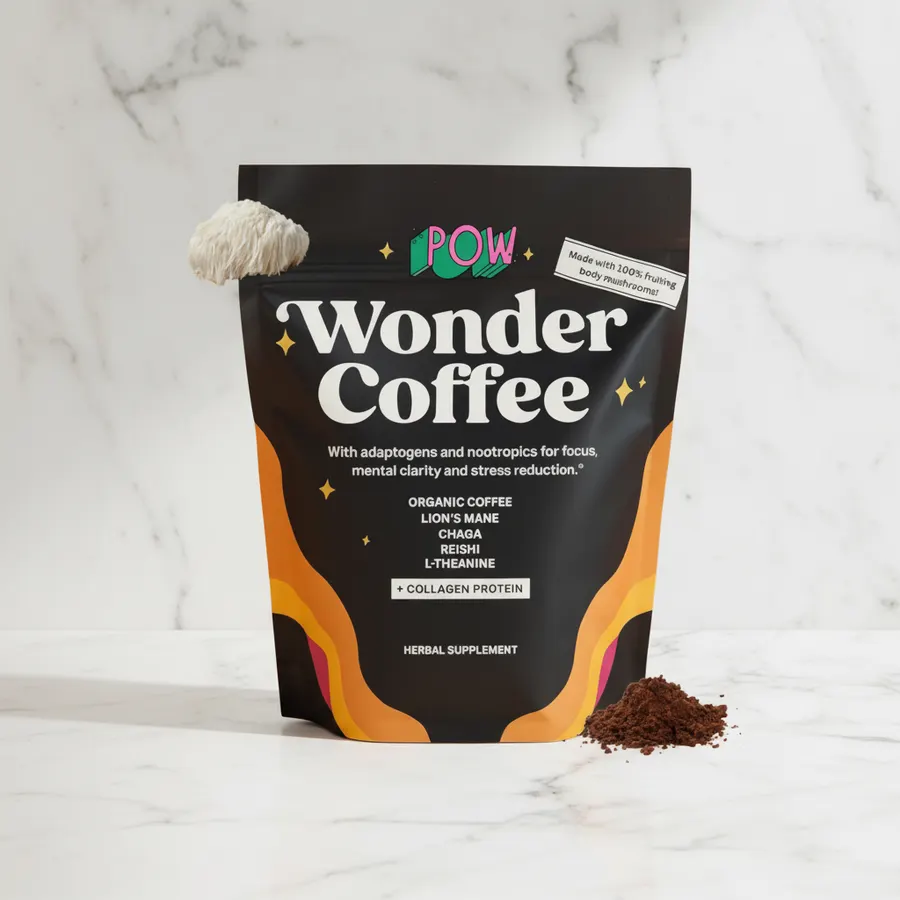
You rely on coffee to stay sharp through back-to-back calls and deadlines—but by 2pm, the jitters hit, the fog rolls in, and you're snapping at the people who matter most.

7am. You pour the coffee because without it, the morning doesn't start. The inbox is already at 47 unread. The presentation deck needs three more slides before the 9:30. You need to be on—sharp, fast, capable.
By 10am, you are. Wired, actually. Heart racing just enough to notice. Hands a little too quick on the keyboard. You're performing, but it doesn't feel clean.
By 2pm, it's over. The fog rolls in where the caffeine used to be. You're reaching for another cup even though you know what happens next: more jitters, worse sleep, tomorrow's 7am even harder. And when you walk in the door at 6, your daughter asks you a question and you hear your own voice—short, distracted, not the version of you that you want her to see.
The coffee is non-negotiable. The trade-off feels real.

Here's the before. You wake up tired. You pour the regular coffee because it's the only thing that works. By mid-morning you're buzzing—tight shoulders, scattered thoughts, that low hum of anxiety that makes every email feel urgent. By afternoon, you're heavy. Foggy. Reaching for another cup just to get through the 4pm meeting. And when you finally stop moving, when your kid wants to tell you about their day, you're somewhere else. Still thinking about the thing you didn't finish. Still wired and exhausted at the same time.
Same morning. Same pour. Same ritual. But this time, the effect is different. But by 10am, you're not buzzing—you're clear. Loose in the shoulders. Sharp in the mind. You move through the inbox fast but don't feel frantic. The 2pm meeting doesn't require another cup because you never crashed. And when you walk in the door at 6, you're grounded. Quiet inside. Present enough to actually hear the answer when your kid talks.
It's not a different life. It's the same coffee habit—one swap.
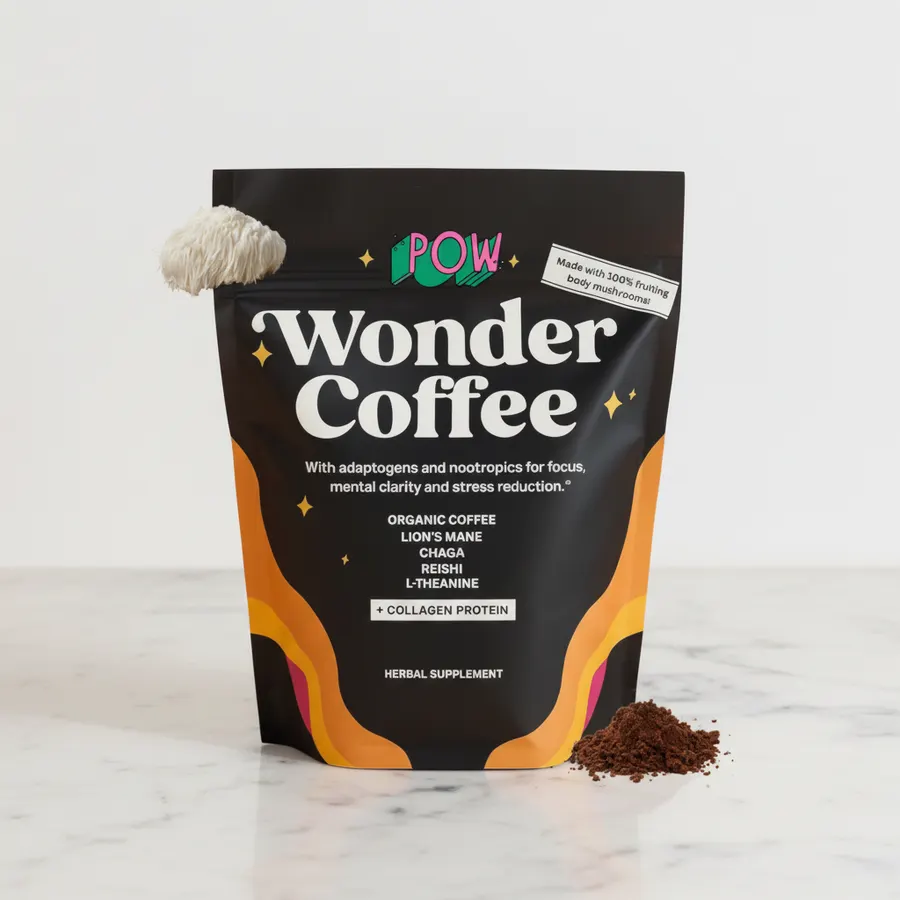
First: it tastes like coffee. Rich, chocolatey, earthy roast. Not dirt. Not mushrooms. You're drinking it because it's good, not because it's virtuous.
What makes it different is what's inside. Wonder Coffee combines 8× concentrated fruiting body mushroom extracts—Lion's Mane, Reishi, Chaga—with 120mg of L-theanine and 60mg of caffeine. That ratio is the mechanism. Most coffee dumps 150–200mg of caffeine into your system with nothing to smooth the ride. Wonder pairs a lower caffeine dose with L-theanine, the amino acid that creates calm alertness—the focused-but-not-frantic feeling you get from high-quality green tea.
The mushroom extracts do the second half of the work. Lion's Mane supports mental clarity and focus. Reishi brings calm without sedation. Chaga adds sustained energy at the cellular level. But here's the part that matters: these are 8:1 fruiting body extracts, not mycelium. That means every 360mg of extract you're getting is equivalent to 2,880mg of whole mushroom powder—the concentrated, bioactive compounds that actually work. Most mushroom coffees use mycelium grown on grain, which dilutes potency and fills the bag with starch. This is the opposite. Pure fruiting bodies. Extracted at 8× concentration. Third-party tested at Eurofins for purity.
The result is sustained energy that doesn't spike and crash. Focus that doesn't come with a side of anxiety. The version of the morning where you get the performance and keep the presence.
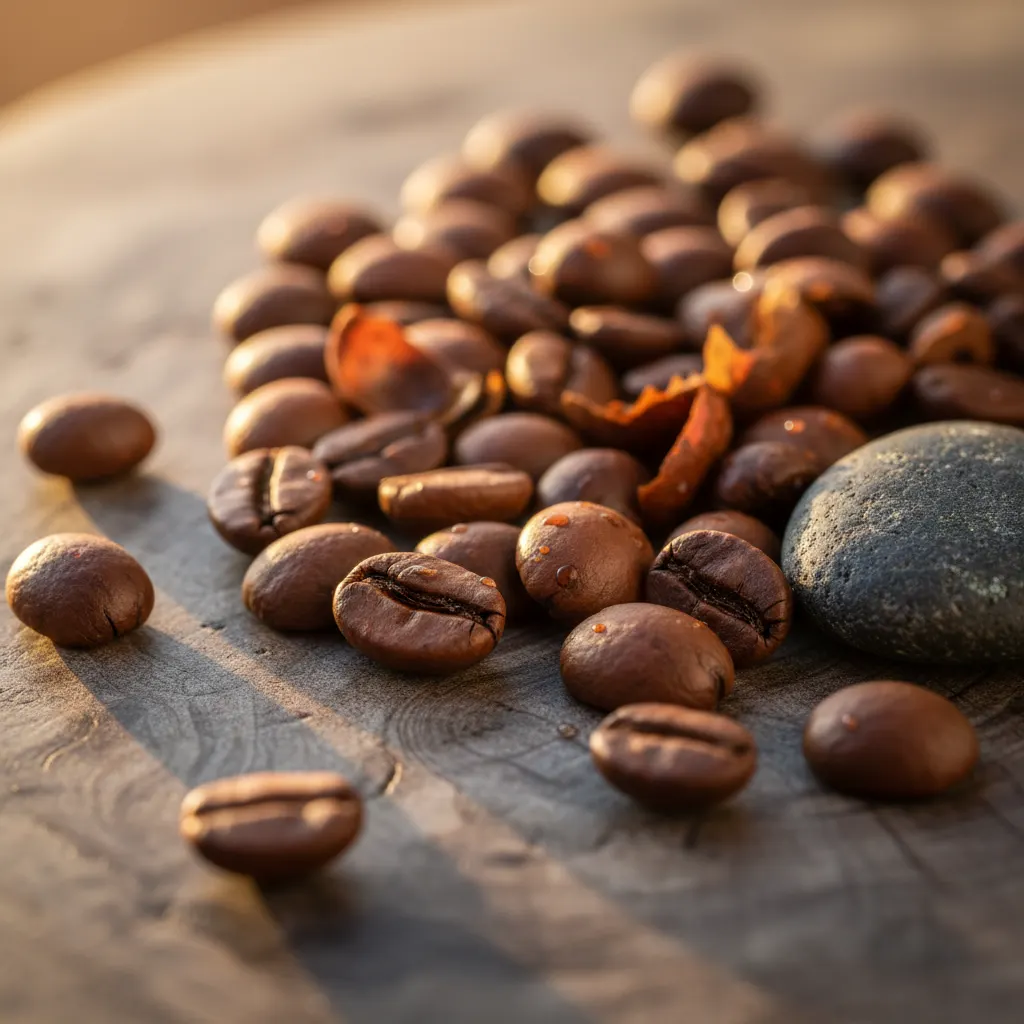






Most mushroom coffees use mycelium-on-grain—which is mostly grain filler—or weak 1:1 extracts that require massive serving sizes. Wonder Coffee uses 8:1 fruiting body extraction across Lion's Mane, Reishi, and Chaga, meaning eight pounds of raw mushroom concentrate into one pound of active powder.
That's why a single serving delivers 3,000mg+ of mushroom extract, the range published studies use when they measure focus and mental clarity. You're not getting a sprinkle of mushroom dust; you're getting a dose that's actually designed to work.

Sixty milligrams of caffeine alone would give you the jitters and a 2pm crash. Pair it with 120mg of L-theanine—the same amino acid found in green tea—and the caffeine curve flattens. You get the alert clarity without the anxiety spike or the afternoon collapse.
This is why people describe Wonder Coffee as "clean energy." The L-theanine doesn't reduce the caffeine effect; it stretches it into a longer, steadier arc so you stay sharp at 9am and still present at the dinner table.

High-caffeine energy drinks push you harder, but they don't defend against the cortisol spikes that leave you wired and exhausted by dinner. Reishi and Chaga are adaptogens—they don't add energy, they recalibrate your nervous system's response to stress.
Combined with the sustained caffeine from L-theanine pairing, you get the mental sharpness for your morning meetings plus the nervous system calm that lets you actually be present when you get home. That's the performance-plus-presence upgrade most coffee can't offer.
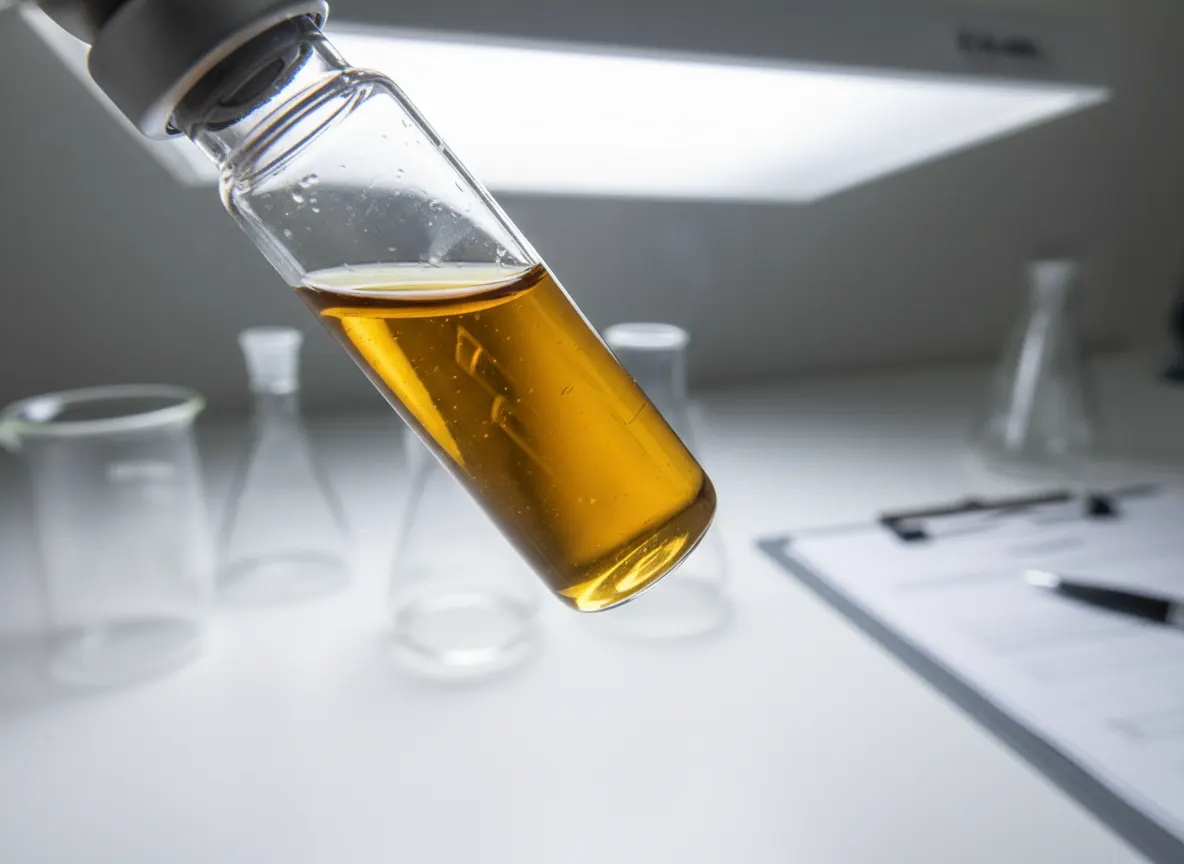
Functional coffee skepticism is earned—the category is crowded with unverified claims. Wonder Coffee goes through Eurofins testing for heavy metals, pesticides, and potency verification. The results are transparent, not hidden behind a proprietary blend label.
You don't have to trust the marketing; you can verify the product actually contains what the label says it contains. That's the credibility differentiator that turns functional coffee from a hopeful purchase into a defensible one.

Adaptogens compound over weeks—you won't feel the full Reishi and Chaga benefit in the first three days like you'd feel a high-dose caffeine jolt. Most coffee brands expect you to judge at 14 or 30 days, right before the effects arrive.
The 60-day Happiness Guarantee is built around how your body actually works. That's long enough to feel the sustained energy arc, the afternoon clarity, and the calm resilience by week 3–4, then keep going until you're absolutely sure. If it doesn't deliver, you get your money back.